
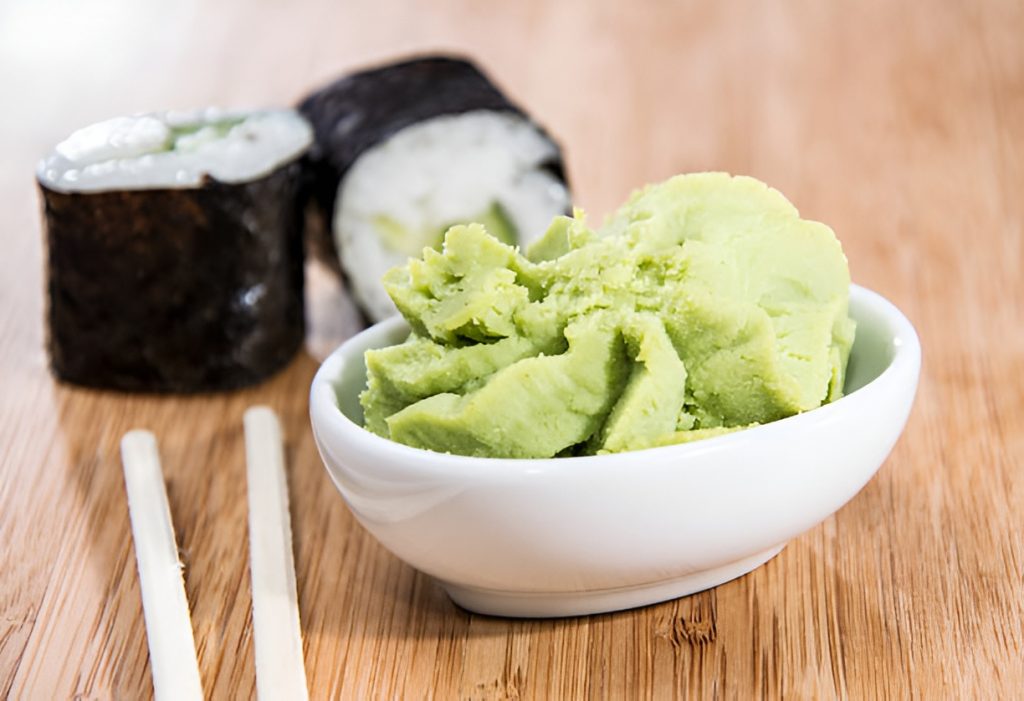
- Authentic wasabi comes from the Wasabia japonica rhizome and grows best in cool, shaded environments with pristine water, making it a prized ingredient.
- The spiciness comes from allyl isothiocyanate (AITC), which stimulates nasal passages instead of the tongue, creating a sharp, fleeting heat.
- Fresh vs. imitation: Most restaurant wasabi is horseradish-based; real wasabi offers a more complex, subtle flavor and quick burst of heat.
- Chefs use wasabi to enhance dishes by balancing rich flavors, highlighting freshness in seafood, and adding vibrant color.
- Traditional preparation matters: Grating with a sharkskin tool and using immediately preserves flavor and heat.
- Wasabi is versatile beyond sushi: It can flavor sauces, dressings, meats, noodles, and snacks, providing a zesty, aromatic kick.
- At-home tips: Buy fresh rhizome, grate just before serving, use sparingly, and experiment with dishes to enjoy authentic flavor.
Wasabi is one of those ingredients that instantly brings to mind fresh sushi, tangy flavors, and a sharp, nose-tingling heat. But what makes wasabi spicy, and why do chefs in Japan—and around the world—value it so highly? In this article, we’ll explore the science behind wasabi’s pungency, how chefs use it in culinary creations, and tips for enjoying it the authentic way.
What Is Wasabi, Really?
Many people enjoy the spicy kick of wasabi on their sushi, but few know where that sharp flavor actually comes from. That begs the question: so, what is wasabi made of? Authentic wasabi comes from the rhizome of the Wasabia japonica plant, which is native to Japan. The plant prefers cool, shady environments and pristine water for optimal growth, which is why authentic wasabi is considered a luxury ingredient.
- Fresh vs. paste: Most wasabi served in restaurants outside Japan is actually made from horseradish, mustard, and green coloring. Real wasabi has a fresher, more complex flavor and a subtler heat.
- Flavor profile: True wasabi offers a sharp, bright spice that hits the nose first rather than lingering on the tongue like chili peppers. It’s spicy but fleeting, leaving a clean, refreshing taste afterward.
What Makes Wasabi Spicy? The Science Explained
The pungent kick of wasabi comes from a chemical compound called allyl isothiocyanate (AITC). This compound is released when the wasabi rhizome is grated. Unlike chili peppers, which contain capsaicin and trigger heat receptors on your tongue, AITC stimulates nasal passages, giving wasabi its characteristic sharpness.
- Quick burst of heat: The heat from wasabi is intense but brief, often disappearing within a few seconds.
- Nasal sensation: Because AITC travels through your sinuses, you often feel the spice more in your nose than on your tongue.
- Antimicrobial properties: Allyl isothiocyanate has antibacterial qualities, which may help reduce the risk of foodborne illness—a possible reason why it pairs so well with raw fish.
Why Chefs Love Wasabi
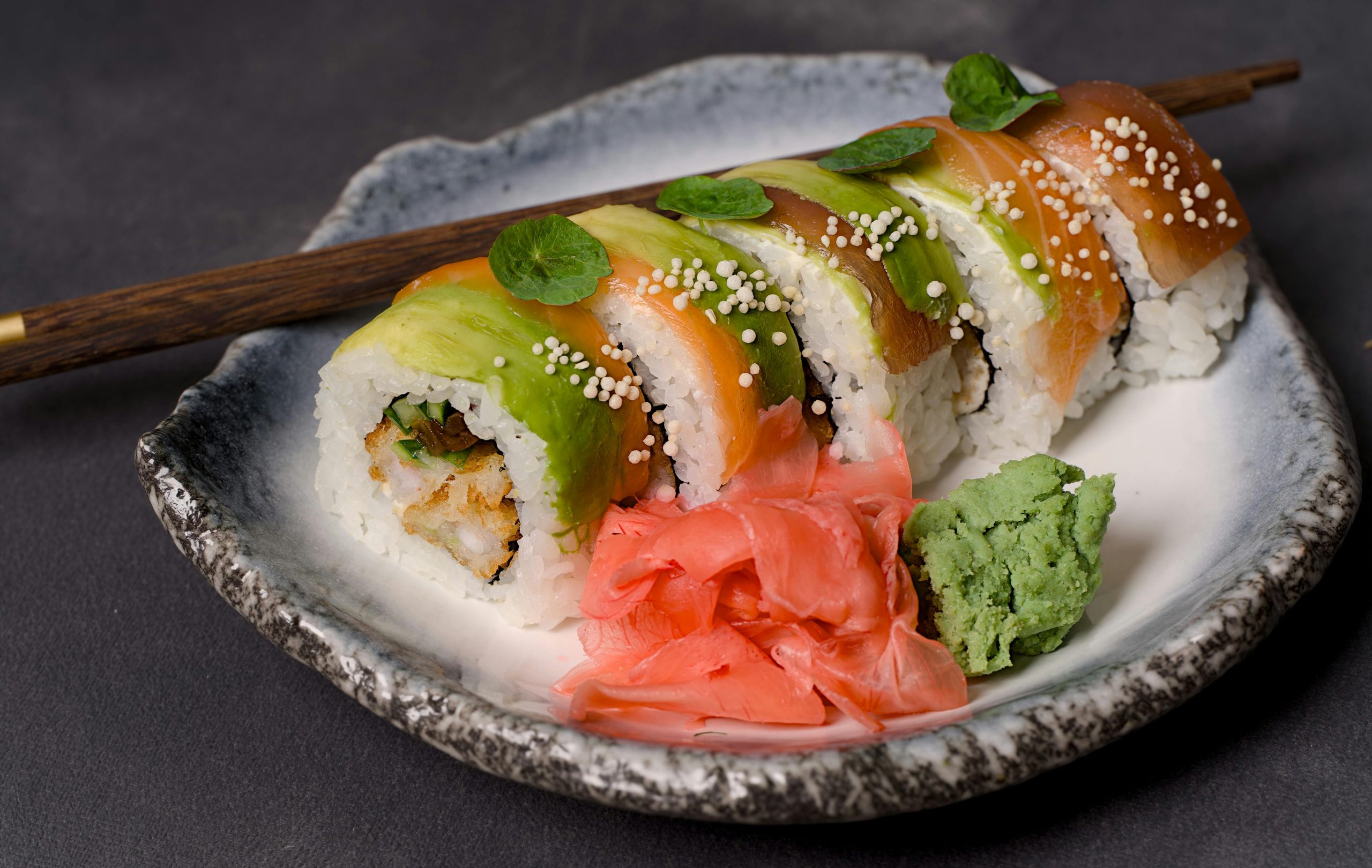
Japanese chefs don’t just sprinkle wasabi for fun—it’s a carefully considered ingredient that enhances the dining experience. Here’s why:
- Flavor balance: Wasabi cuts through the richness of fatty fish like toro (fatty tuna) and balances other strong flavors.
- Highlighting freshness: Its sharpness accentuates the freshness of raw seafood, making each bite more vibrant.
- Aesthetic appeal: Grated wasabi adds a vibrant green color that makes dishes visually appealing.
Chefs often consider the intensity of the wasabi’s heat, matching it to the type of fish or dish being served.
How Is Wasabi Traditionally Prepared?
Authentic wasabi preparation is an art in itself. The goal is to release the plant’s volatile compounds without destroying the delicate flavor.
- Grating method: Traditionally, wasabi is grated using a fine sharkskin grater called an oroshigane.
- Timing matters: Wasabi is best freshly grated and used immediately, as the spiciness starts to fade within 15–20 minutes.
- Serving style: It is usually placed either directly on the sushi or served on the side, allowing diners to control the intensity.
Can You Substitute Wasabi?
Many restaurants outside Japan use imitation wasabi, which is made from horseradish, mustard, and food coloring. While it provides a similar heat sensation, it differs in several ways:
- Longer-lasting heat: Imitation wasabi tends to linger on the tongue, unlike the fleeting heat of fresh wasabi.
- Less nuanced flavor: It lacks the sweet, vegetal notes of real wasabi.
- Cost-effective: Horseradish-based paste is cheaper and easier to produce, which explains its widespread use.
How Chefs Incorporate Wasabi Beyond Sushi
While wasabi is traditionally associated with sushi, modern chefs use it in creative ways to enhance various dishes:
- Sauces and dressings: A hint of wasabi in vinaigrettes or dipping sauces adds a bright, zesty kick.
- Meat and seafood dishes: Wasabi complements grilled or seared fish, chicken, and beef by cutting through fatty richness.
- Soups and noodles: Infusing broths with a touch of wasabi can give a subtle warmth and complexity.
- Snacks and appetizers: Wasabi-flavored nuts, peas, and chips showcase its pungency in a different context.
How to Use Wasabi at Home
If you want to experience real wasabi at home, here are some tips:
- Buy fresh rhizome if possible: It’s more flavorful than powdered or pre-made paste.
- Grate just before serving: This preserves the heat and aromatic qualities.
- Use sparingly: A small amount goes a long way, especially with sushi or sashimi.
- Experiment with dishes: Try adding tiny amounts to mashed potatoes, sauces, or roasted vegetables for a unique flavor twist.
Tips for Pairing Wasabi With Sushi
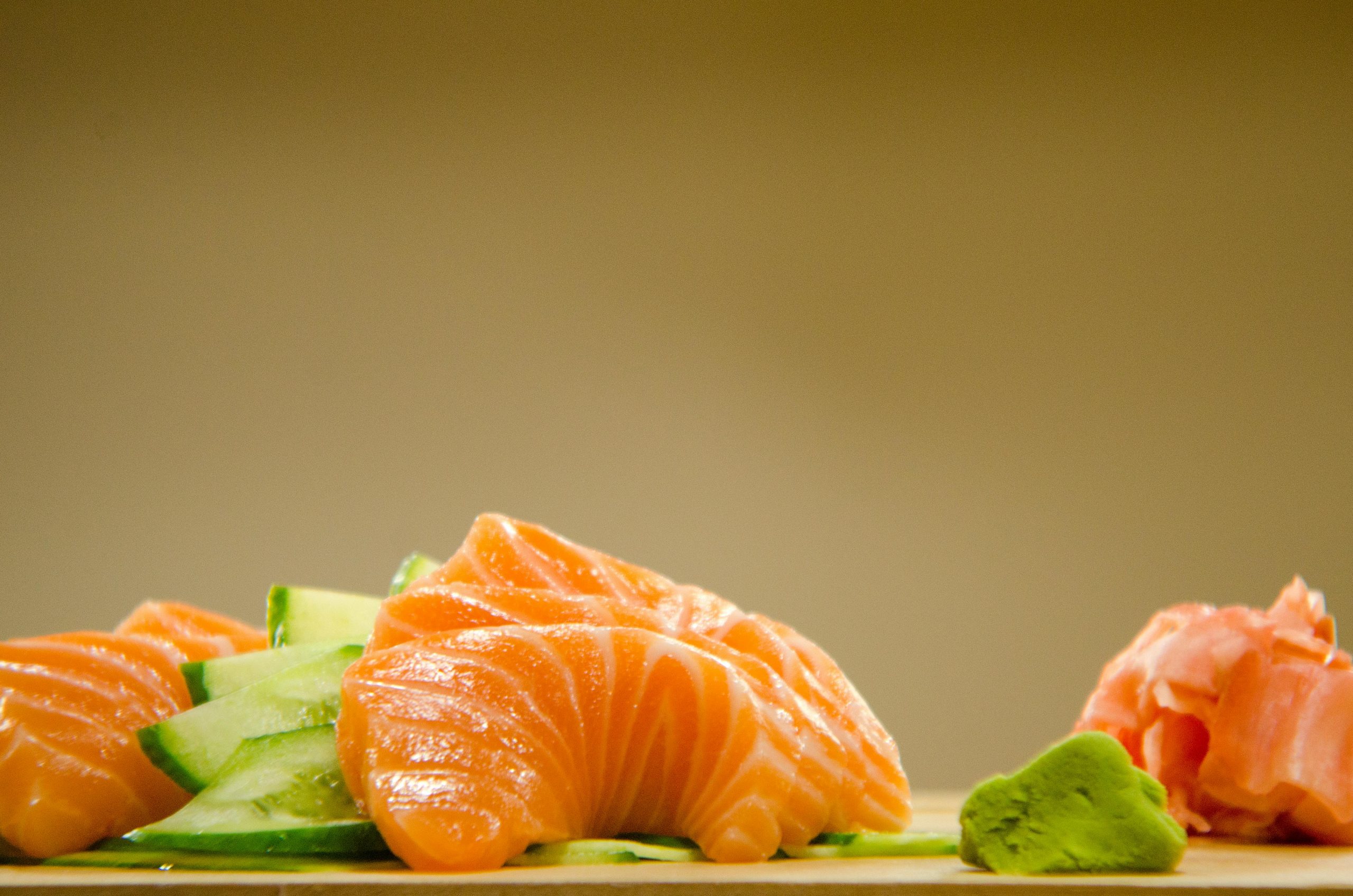
Getting the right balance of wasabi with sushi is key:
- Less is more: Too much can overpower the delicate flavor of fish.
- Combine with soy sauce carefully: Some chefs recommend mixing wasabi directly with soy sauce, while others suggest applying a thin layer directly to the fish.
- Adjust by fish type: Stronger-tasting fish like mackerel or eel can handle a bit more heat, while delicate white fish benefit from a subtle touch.
Why Fresh Wasabi Tastes Different
The unique flavor of fresh wasabi comes from more than just heat. Factors include:
- Terroir: Soil, water, and climate affect the rhizome’s flavor profile.
- Storage: Fresh wasabi loses potency if stored for too long, so timing is crucial.
- Grating technique: Over-grating or using a dull tool can bruise the rhizome, releasing bitter compounds.
Frequently Asked Questions About Wasabi
Q: Is wasabi actually a chili pepper?
A: No. Wasabi’s heat comes from allyl isothiocyanate, not capsaicin. It affects your nasal passages rather than your tongue.
Q: Why does wasabi heat disappear quickly?
A: The volatile compounds responsible for the heat dissipate rapidly when exposed to air, making fresh wasabi ideal.
Q: Can you grow wasabi at home?
A: It’s possible, but it’s challenging. Wasabi requires cool, shaded conditions and flowing water to thrive.
Q: Is imitation wasabi harmful?
A: No, imitation wasabi is safe to eat. It just doesn’t replicate the full flavor and fleeting heat of authentic wasabi.
Wrapping Up
Wasabi’s unique spiciness is one of the defining features of Japanese cuisine. Its fleeting heat, nasal punch, and complex flavor profile make it a favorite among chefs who want to enhance their dishes without overpowering them. Whether enjoyed on sushi, incorporated into sauces, or experimented with in modern recipes, wasabi adds a distinctive zest that elevates the culinary experience.
Next time you encounter that small green dollop on your plate, take a moment to appreciate what makes wasabi spicy—and how skilled chefs use it to transform a simple bite into a memorable one.