
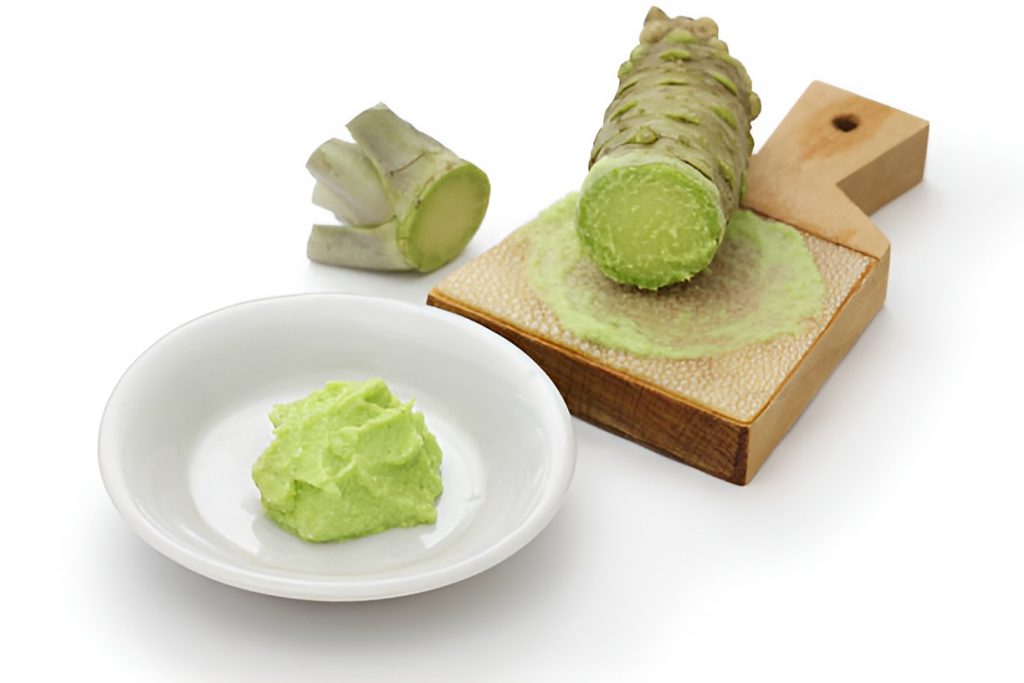
- Real vs. fake wasabi: Authentic wasabi is made from fresh wasabi rhizome, while most restaurant versions use horseradish, mustard, and green coloring.
- Unique heat profile: Wasabi’s heat comes from allyl isothiocyanates, which target the sinuses rather than the tongue, giving a sharp, quick-burning sensation.
- Rarity of fresh wasabi: The plant is difficult to cultivate, requiring specific water, soil, temperature, and shade conditions, making fresh wasabi expensive.
- Flavor and texture differences: Fresh wasabi is bright, aromatic, slightly sweet, and creamy, whereas imitation versions are hotter, longer-lasting, and less nuanced.
- Rapid flavor loss: Real wasabi loses its pungency within minutes after grating due to volatile compounds, emphasizing the importance of serving it fresh.
- Culinary importance: Fresh wasabi enhances fish and other Japanese dishes without overpowering them, preserving balance and tradition in Japanese cuisine.
- Health benefits: Real wasabi has anti-inflammatory, antimicrobial, and antioxidant properties, while imitation wasabi lacks these unique benefits.
Wasabi is one of the most recognizable flavors in Japanese cuisine, yet it’s also one of the most misunderstood. Most people have experienced that sharp blast of heat from the green paste served with sushi, but very few have tasted real, fresh wasabi. That’s because in most countries outside Japan, what people call “wasabi” isn’t wasabi at all. So what is wasabi made of, and how do its ingredients influence the spicy kick, aroma, and overall profile that pair so perfectly with Japanese food?
To answer that question, we need to explore where wasabi comes from, why it’s so difficult to grow, what goes into authentic wasabi paste, and why most restaurant versions use a different formula altogether. This guide breaks down everything you need to know, from authentic ingredients to flavor chemistry to how to tell real from fake.
Let’s dive in.
What Is Wasabi, Exactly?
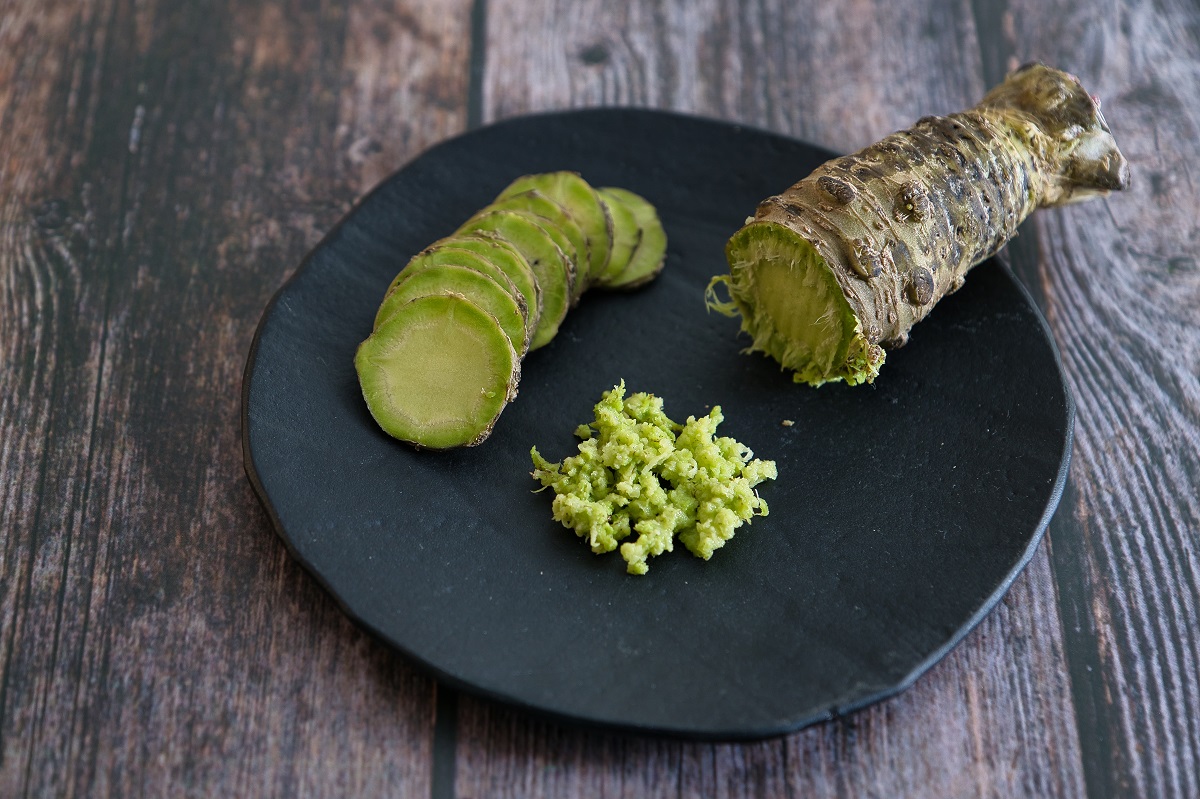
Wasabi is a plant native to Japan called Wasabia japonica or Eutrema japonicum. It belongs to the same family as mustard, horseradish, and cabbage. Unlike chili peppers, which get their heat from capsaicin, wasabi’s heat comes from naturally occurring compounds called allyl isothiocyanates. These compounds don’t burn your tongue; they target the sinus passages, producing that distinctive “up-the-nose” sensation.
The edible part of the wasabi plant is the rhizome—the stem that grows underground. When fresh wasabi is grated, it releases volatile compounds that create an aromatic, clean, sharp heat. These compounds are so delicate that the flavor begins fading just minutes after grating.
Real Wasabi vs Fake Wasabi: What Is Wasabi Made Of?
To understand what gives wasabi its signature flavor, it helps to know that most “wasabi” served around the world isn’t real at all. Many people believe they’ve eaten wasabi dozens of times, but true wasabi is so rare and expensive that most restaurants don’t offer it.
So what is wasabi made of when it’s real, and what is it made of when it’s fake?
What Is Real Wasabi Made Of?
Authentic wasabi paste is made from:
- Fresh wasabi rhizome, grated into a fine paste
- Sometimes a tiny splash of water to adjust consistency
- Occasionally a little plant-based stabilizer if packaged, but only for extended shelf life
That’s it. The ingredient list is extremely simple. The magic comes from the freshness and the way the rhizome is grated.
Traditional Japanese chefs use a sharkskin grater called an oroshigane, which produces an ultra-fine, creamy texture that helps release more volatile compounds.
What Is Fake Wasabi Made Of?
Most restaurants worldwide serve imitation wasabi. The ingredients typically include:
- Horseradish powder
- Mustard powder
- Cornstarch or flour
- Green food coloring
- Water to create paste
- Sometimes a bit of oil or sweetener
Why the swap? Real wasabi is notoriously hard to grow. It only thrives under very specific conditions—cold, pure running water, the right shade levels, rocky riverbeds, and cool temperatures. It’s considered one of the most difficult crops in the world. As a result, fresh wasabi can cost 10 to 20 times more than imitation wasabi.
Because horseradish tastes somewhat similar and is much cheaper to produce, it became the go-to substitute.
Why Is Real Wasabi So Rare?
Wasabi farming is a challenge, even in Japan. The plant needs:
- Constant access to clean, cool water
- A specific soil texture with gravel and rocks
- Shade to prevent leaf burn
- Temperatures around 7–20°C
- Protection from pests and diseases that thrive in moist environments
Even small changes in water quality or weather can kill entire crops. Many farmers treat wasabi cultivation like an art, carefully tending to plants for 18 to 24 months before harvesting.
Because of this difficulty, the supply is limited, and fresh rhizomes are expensive. Most wasabi grown in Japan stays within the country, and only a small amount is exported. However, newer farms in places like the US, Canada, and New Zealand have been trying to meet global demand.
How Do the Ingredients Affect Wasabi’s Flavor?
Now that we know what wasabi is made of, both real and imitation, it’s time to explore how those ingredients directly impact flavor.
What Fresh Wasabi Tastes Like
Real wasabi is often described as:
- Bright
- Clean
- Herbal
- Slightly sweet
- Fresh and green
- Hot, but not lingering
The heat rises quickly, hits the nose, and then fades immediately. This clean burn is one of the biggest differences between real and imitation wasabi.
Many first-time tasters are surprised by how gentle fresh wasabi feels compared to the horseradish-based version they’re used to. It’s not meant to overpower food. Instead, it enhances the natural taste of fish and other dishes.
What Fake Wasabi Tastes Like
Imitation wasabi has a different profile altogether:
- Hotter and more aggressive
- Longer-lasting burn
- Less aromatic
- More bitter
- Often slightly harsh or acidic
These differences exist because horseradish and mustard use different heat compounds. They also lack the herbal freshness of the wasabi plant.
How Ingredients Affect Texture
Fresh wasabi has a smooth, creamy texture when grated properly. Fake wasabi tends to be:
- Thicker or pastier
- Grainy if made from powder
- Uniformly bright green (real wasabi is pale green)
Texture isn’t just cosmetic—it influences flavor release. The finer the grate, the more aromatic compounds become available.
Why Does Real Wasabi Lose Its Flavor So Fast?
The answer comes back to chemistry. Allyl isothiocyanate, the compound responsible for wasabi’s heat, is extremely volatile. It evaporates quickly when exposed to air.
Within 5 minutes of grating, the flavor starts to fade. Within 20 minutes, much of the intensity is gone. That’s why chefs grate fresh wasabi to order.
Imitation wasabi doesn’t lose its flavor quickly because it relies on shelf-stable powders. That’s great for convenience, but it lacks the delicate, nuanced experience of fresh wasabi.
How Is Fresh Wasabi Prepared and Served?
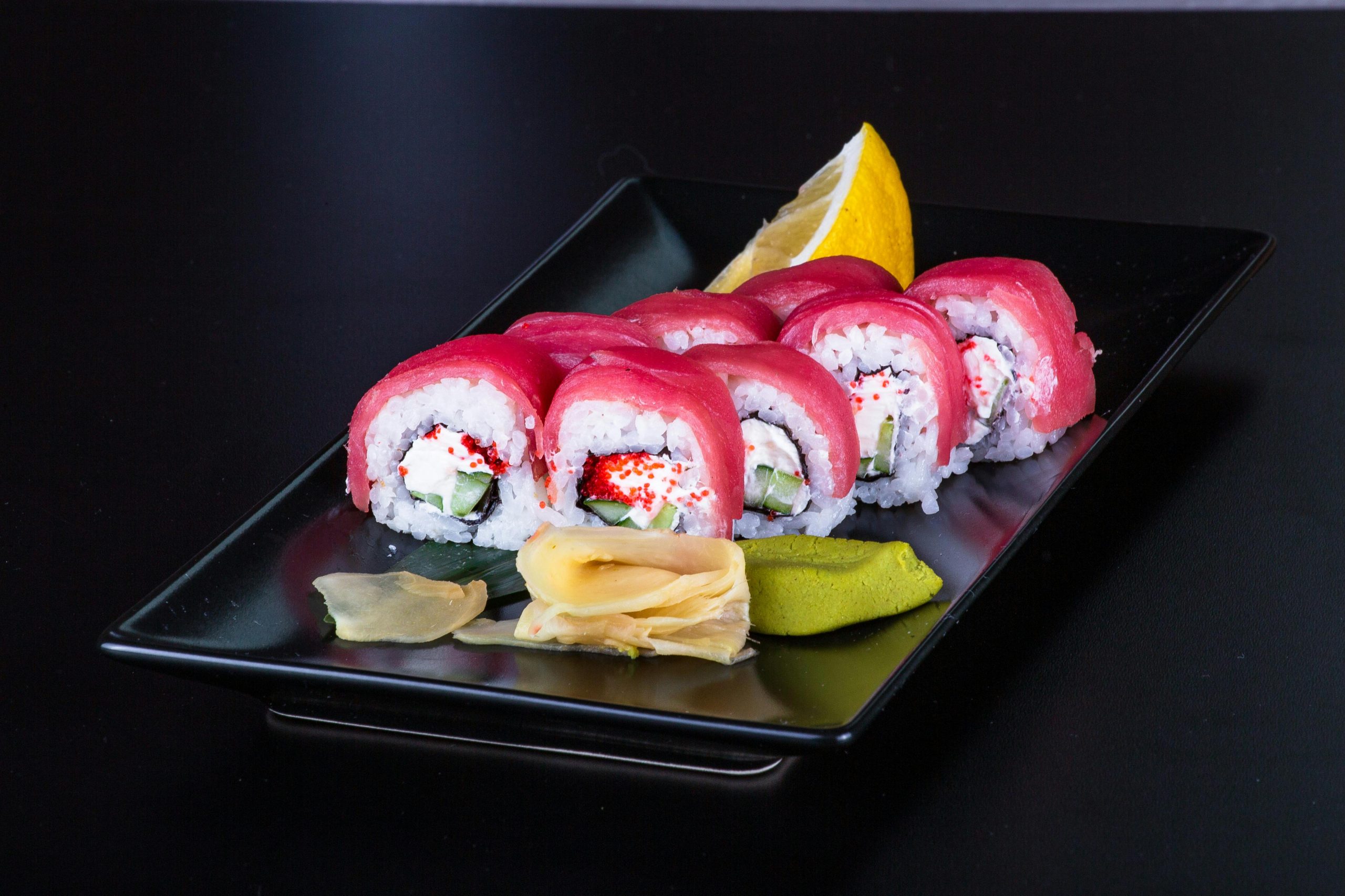
Fresh wasabi is usually served with high-quality dishes that highlight its complexity. It’s particularly common with:
- Sushi
- Sashimi
- Soba noodles
- Japanese-style steak
- Tempura
- Grilled fish
- Cold tofu dishes
Why Sushi Chefs Prefer Real Wasabi
Real wasabi enhances fish without overpowering it. It adds aroma and balance rather than just heat.
Chefs also use it between the rice and the fish—not on top of the sushi—because this:
- Protects the aroma from dissipating
- Prevents the heat from hitting too fast
- Helps the flavor blend with the fish’s fat content
This careful placement is part of why sushi tastes so different in high-end restaurants.
How to Tell If the Wasabi You’re Eating Is Real
Ordering sushi and wondering whether you’re getting the real thing? Use these clues.
Appearance
Real wasabi:
- Is light green, not neon
- Has a natural, slightly uneven color
- Looks creamy but not oversmooth
Fake wasabi:
- Is usually bright or artificial green
- Has a uniform texture
- Often looks slightly glossy
Taste
Real wasabi:
- Has a clean, short-lived burn
- Feels aromatic and fresh
- Doesn’t leave bitterness
Fake wasabi:
- Burns longer and hotter
- Feels more pungent
- Can be slightly bitter or harsh
Price
If you didn’t pay extra for it, it’s probably fake. Real wasabi is typically:
- An add-on at premium sushi restaurants
- Marketed clearly as “fresh wasabi,” “hon-wasabi,” or “wasabi rhizome”
Location
High-end omakase restaurants are more likely to serve real wasabi. Budget sushi spots almost never do.
Why Authentic Wasabi Matters in Japanese Cuisine
Japan’s food culture is built on balance, restraint, and respect for natural flavors. Real wasabi fits perfectly into that philosophy.
Preserving Tradition
Wasabi has been used for centuries not only for flavor but also for its antibacterial properties. In the days before refrigeration, it helped protect people from foodborne illnesses.
Enhancing Raw Fish
Real wasabi complements fish rather than masks it. The delicate heat and aroma bring out the sweetness and richness of sashimi.
Highlighting Freshness
Because real wasabi loses flavor quickly, serving it fresh is a mark of skill and respect. It signals high-quality fish and careful preparation.
Is Real Wasabi Healthier?
While imitation wasabi doesn’t pose health risks, real wasabi does offer some benefits.
Potential Health Benefits of Real Wasabi
- Natural anti-inflammatory properties
- Possible antimicrobial effects
- Rich in antioxidants
- Contains compounds that may support digestion
- Naturally low in calories
What About Fake Wasabi?
Because imitation wasabi is made from horseradish and mustard, it has some similar properties, but lacks the unique antioxidants found in the wasabi plant. It may also contain artificial dyes or additives, depending on the brand.
Can You Make Real Wasabi Paste at Home?
Technically, yes—if you can find the rhizome. Fresh wasabi rhizomes are rare but sometimes available at specialty Japanese markets or online.
To prepare:
- Rinse the rhizome thoroughly.
- Trim off the rough end.
- Use a very fine grater to grate in circular motions.
- Let it rest for 1–2 minutes for flavor to bloom.
- Serve immediately.
If you don’t have a sharkskin grater, a microplane works well.
What About Wasabi Powder?
Not all wasabi powders are fake. Some premium powders list only:
- 100% real wasabi
- Ascorbic acid (as a preservative)
However, the majority of powders contain horseradish blends. Always read the label.
Why the World Loves Wasabi’s Unique Heat
Even imitation wasabi became popular because the flavor profile pairs incredibly well with food—not just Japanese dishes.
Wasabi’s Heat Works Differently Than Chilies
Chili heat comes from capsaicin, which binds to pain receptors on the tongue. Wasabi’s heat is:
- Sharper
- More aromatic
- Focused in the sinuses
- Quick to fade
That’s why even people who dislike spicy foods sometimes enjoy wasabi.
Perfect Pairings Beyond Sushi
Wasabi pairs well with:
- Steak
- Mashed potatoes
- Burgers
- Mayo and aioli sauces
- Salad dressings
- Roasted vegetables
- Grilled seafood
Its intensity and brightness cut through rich or fatty foods beautifully.
Is Real Wasabi Worth the Price?
Most people who try it say yes. The experience is completely different from imitation wasabi. The flavor is more complex, elegant, and balanced.
If you enjoy sushi, trying real wasabi at least once is a must.
Final Thoughts: What Wasabi Is Made Of and Why It Matters
So what is wasabi made of? When it’s real, it’s made from a fresh Japanese rhizome that delivers delicate, aromatic heat. When it’s imitation, it’s usually a blend of horseradish, mustard, and food coloring designed to mimic the flavor.
The ingredients shape everything about wasabi’s character—its flavor, texture, aroma, and even how it interacts with Japanese cuisine. Real wasabi has a complexity that’s nearly impossible to replicate with powders or pastes. Its unique heat enhances food rather than overwhelming it.
Whether you’re a sushi lover, a curious home cook, or someone exploring authentic Japanese flavors, learning the difference between real and fake wasabi adds depth to your culinary experience. The next time you’re served that little green mound, you’ll know exactly what you’re tasting, why it burns the way it does, and how its ingredients influence every bite.