- Quinoa is moderate in carbs, not extremely low-carb: One cup of cooked quinoa contains about 34 grams of net carbs, making it suitable for moderate-carb diets but not strict keto.
- High protein and fiber support weight control: Quinoa’s protein and fiber content help increase satiety, stabilize blood sugar, and reduce overall calorie intake.
- Quinoa is more nutrient-dense than many grains: Compared to rice, quinoa offers more protein, fiber, vitamins, and minerals, making it a healthier carb choice.
- Portion control is key for low-carb or weight management diets: Stick to ¼–½ cup servings and pair with protein, healthy fats, and low-carb vegetables for balanced meals.
- Versatile and easy to incorporate: Quinoa works well in breakfast bowls, salads, soups, side dishes, and stuffed vegetables without overloading on carbs.
- Watch for common mistakes: Overeating, sugary toppings, ignoring protein, or cooking with excess fat can reduce quinoa’s benefits for weight control.
Quinoa has become a superstar in the world of healthy eating. From Instagram-worthy salads to hearty breakfast bowls, this tiny grain-like seed has captured the attention of health enthusiasts, fitness buffs, and people trying to lose weight. But one question keeps popping up: Is quinoa low carb? And more importantly, can it really help with weight control? In this article, we’ll explore everything you need to know about quinoa, its carb content, and how to fit it into a weight-conscious diet.
What Exactly Is Quinoa?
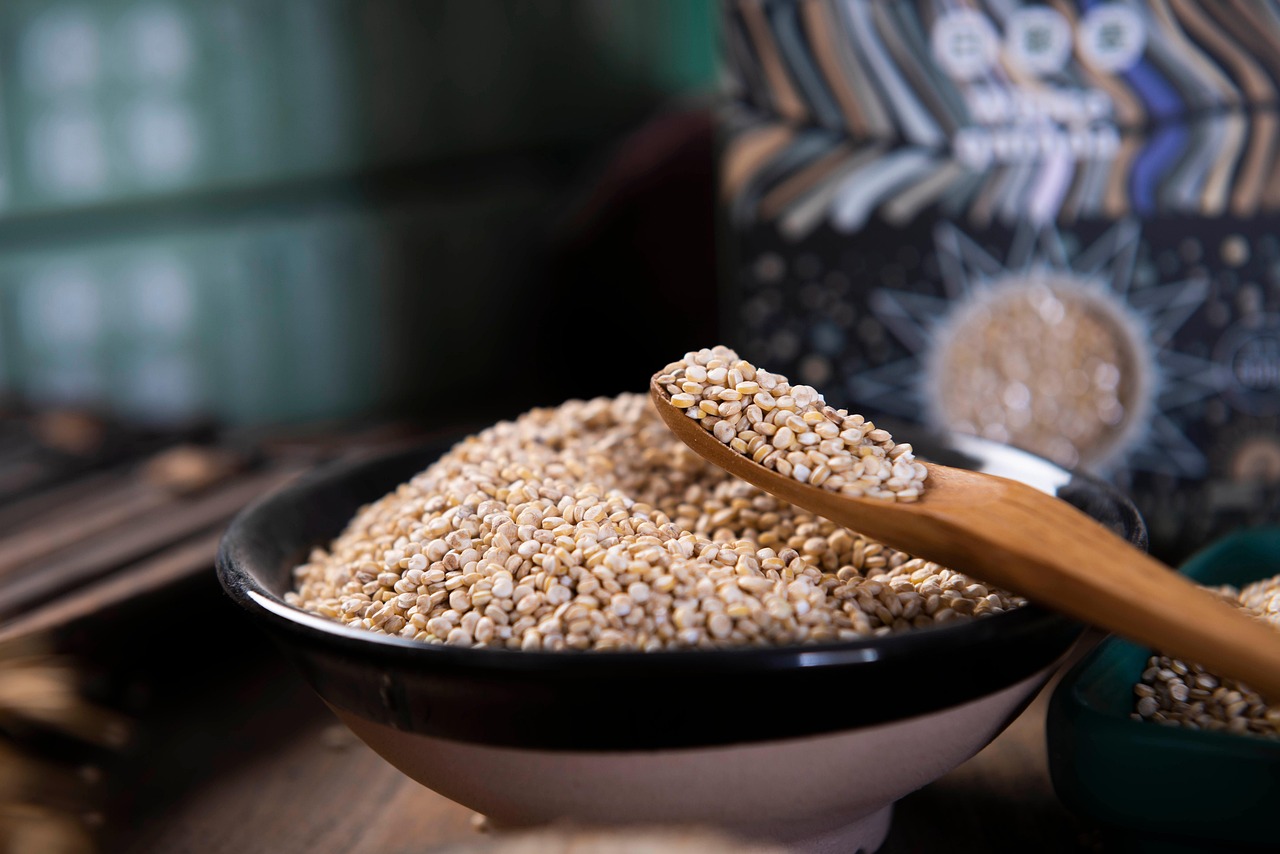
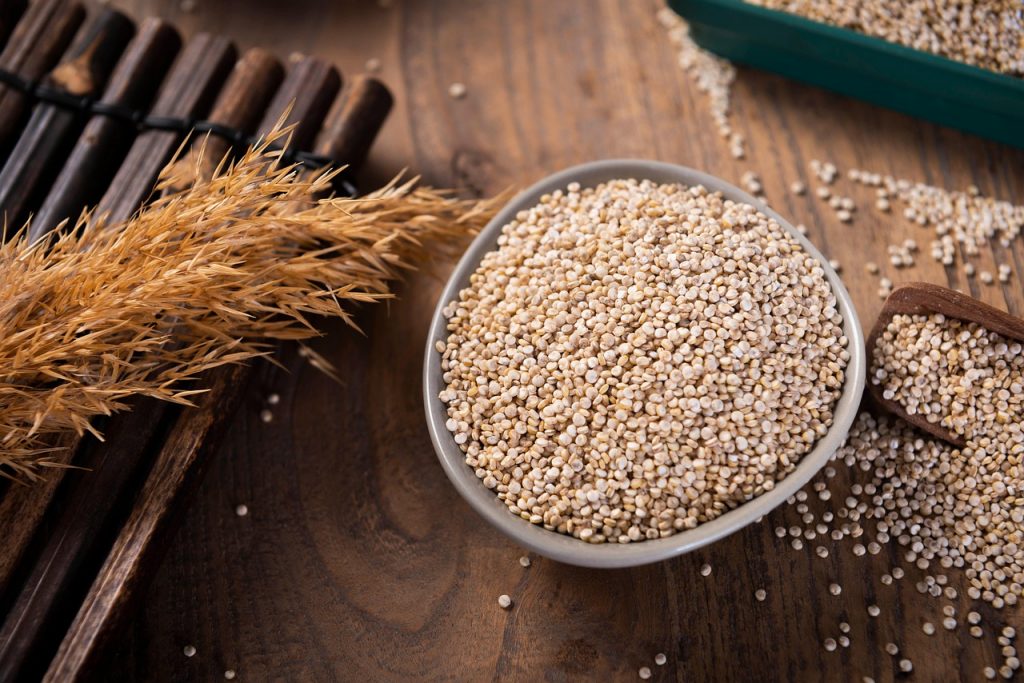
Before diving into the carb question, let’s clear up what quinoa really is. Although it’s often called a grain, quinoa is actually a pseudo-cereal, meaning it’s a seed that’s prepared and eaten like a grain. It’s naturally gluten-free and packed with nutrients, which makes it an appealing alternative to rice, pasta, or couscous.
Some of the key nutrients in quinoa include:
- Protein: Around 8 grams per cup (cooked)
- Fiber: 5 grams per cup
- Minerals: Magnesium, iron, potassium, and zinc
- Vitamins: B-vitamins such as B1, B2, B6, and folate
Quinoa comes in several varieties, including white, red, and black, each with slightly different textures and flavors, but the carb content is fairly consistent across types.
Is Quinoa Low Carb Compared to Other Grains?
When we talk about low-carb foods, we usually mean foods that are low in digestible carbohydrates that impact blood sugar. A cup of cooked quinoa contains roughly 39 grams of carbs, with about 5 grams coming from fiber, making the net carbs around 34 grams per cup.
Let’s compare quinoa to some common grains:
| Grain | Cooked Carb Content (1 cup) | Net Carbs |
| Quinoa | 39g | 34g |
| White Rice | 45g | 45g |
| Brown Rice | 45g | 42g |
| Oats | 27g | 24g |
| Couscous | 36g | 36g |
As you can see, quinoa has slightly fewer net carbs than rice but is higher than some other grains like oats. This means quinoa is moderate in carbs, not extremely low-carb.
Why People Consider Quinoa for Weight Control
Even though quinoa isn’t strictly low-carb, it has properties that can support weight management:
- High Protein: Protein helps you feel full longer, which can reduce overall calorie intake.
- Rich in Fiber: Fiber slows digestion, keeps blood sugar levels stable, and supports gut health.
- Low Glycemic Index: Quinoa’s glycemic index is lower than white rice, meaning it won’t spike blood sugar as quickly.
- Nutrient Density: It provides essential vitamins and minerals, so you can feel satisfied without overeating.
In short, quinoa can be a smart carb choice for those looking to control weight, especially when used to replace refined grains.
How Many Carbs Are Too Many for Weight Control?
When trying to manage weight, the total carb intake depends on your dietary goals and lifestyle. Here’s a rough guideline:
- Low-carb diet: 50–100 grams of carbs per day
- Moderate-carb diet: 100–150 grams per day
- High-carb diet: 150+ grams per day
A single cup of cooked quinoa at 34 grams of net carbs fits comfortably into a moderate-carb diet, but it could take up a significant portion of carbs for a strict low-carb plan.
Can Quinoa Fit Into a Low-Carb Diet?
If you’re following a strict low-carb or ketogenic diet, you may need to control portion sizes carefully. Here are some tips:
- Measure servings: Stick to ¼ to ½ cup cooked quinoa per meal to keep carb intake low.
- Pair with protein and healthy fats: Combining quinoa with chicken, fish, avocado, or olive oil can improve satiety.
- Use as a salad base: Replace larger portions of rice or pasta with smaller amounts of quinoa.
- Mix with low-carb veggies: Zucchini noodles, cauliflower rice, or leafy greens can help keep meals filling but lower in carbs.
Quinoa vs. Rice: Which Is Better for Weight Control?
You might ask, “Is quinoa better than rice for weight management?” Here’s a quick breakdown:
- Calories: Quinoa and rice are similar, but quinoa has slightly more protein.
- Protein & Fiber: Quinoa has more of both, which aids fullness and supports metabolism.
- Blood Sugar Impact: Quinoa has a lower glycemic index, meaning it causes slower increases in blood sugar.
Overall, quinoa is a more nutrient-dense choice than white or brown rice, especially for weight-conscious eaters.
Best Ways to Incorporate Quinoa Into Your Diet
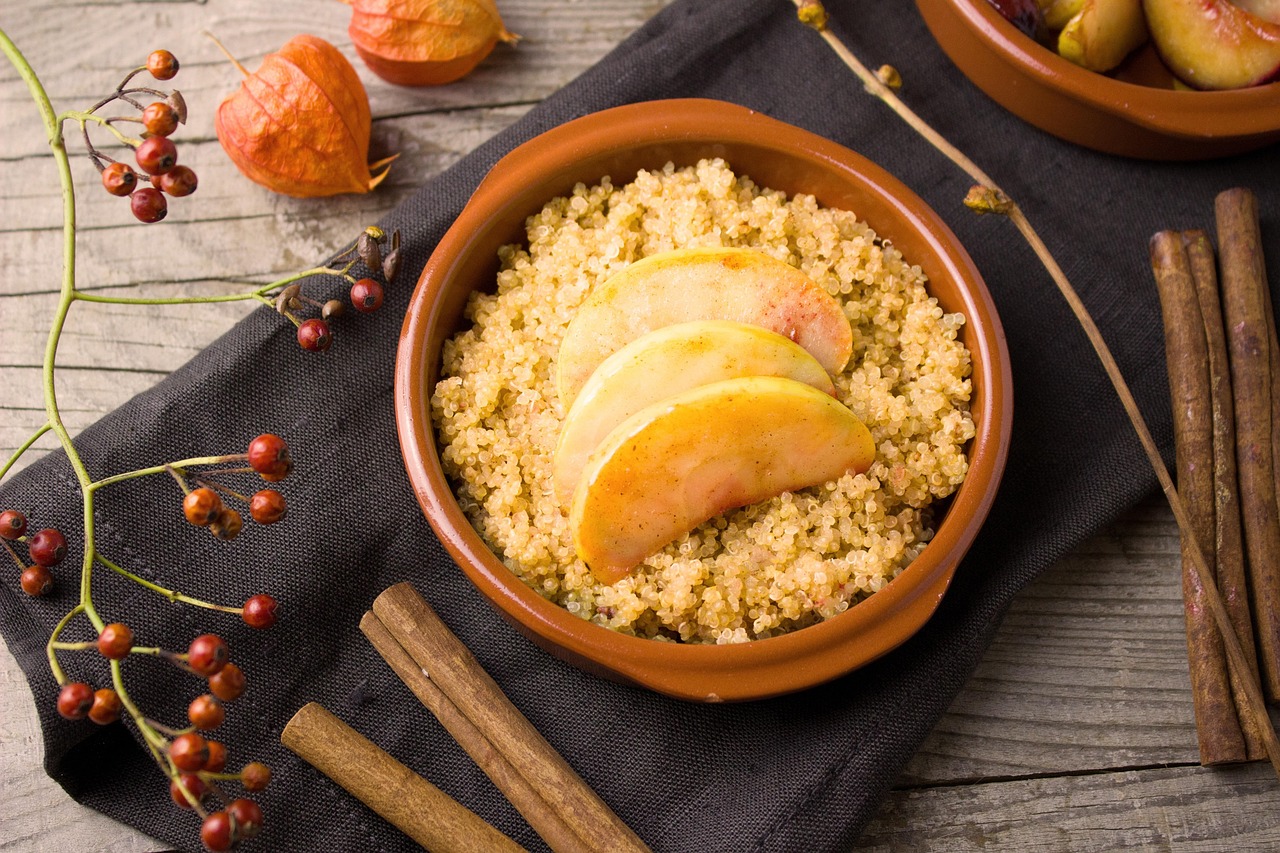
Here are some practical ideas to add quinoa to your meals without overloading on carbs:
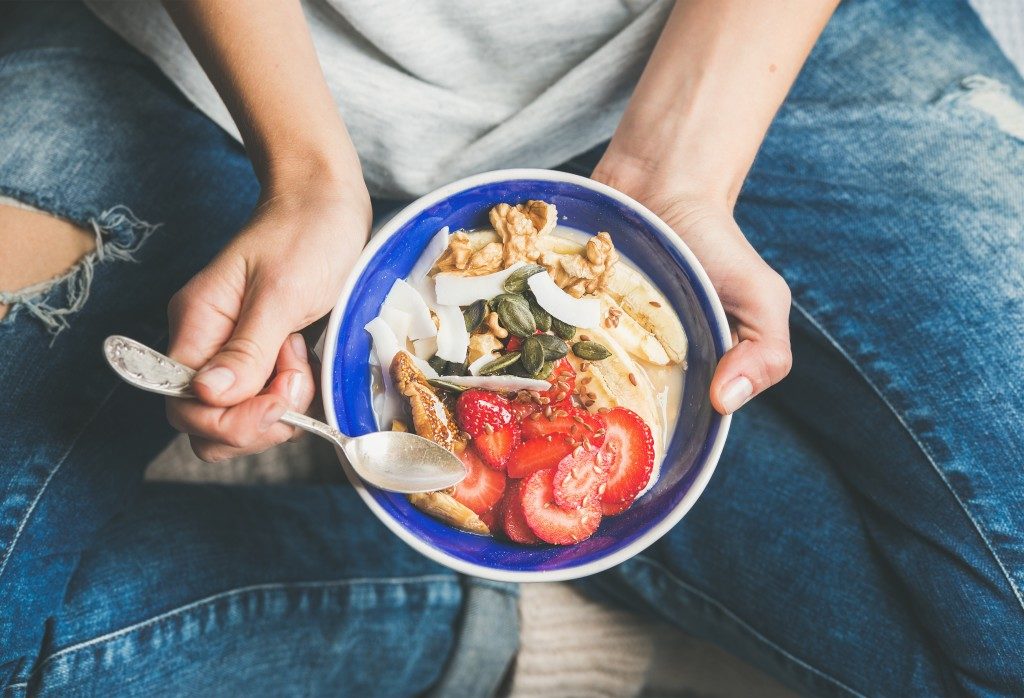
- Breakfast Bowls: Mix ½ cup cooked quinoa with Greek yogurt, berries, and nuts.
- Salads: Toss quinoa with vegetables, beans, or lean protein for a filling lunch.
- Side Dish: Use quinoa instead of rice to serve with grilled chicken, fish, or tofu.
- Soups and Stews: Add a small portion to soups for extra texture and protein.
- Stuffed Veggies: Use quinoa as a stuffing for bell peppers or zucchini.
Common Mistakes to Avoid
Even healthy foods can derail your goals if used incorrectly. Watch out for these:
- Overeating portions: Even healthy carbs add up if servings are too large.
- Sugary toppings: Sweet sauces, dressings, or dried fruits can spike carb content.
- Ignoring protein: Pairing quinoa only with vegetables might leave you hungry sooner.
- Cooking in oil or butter excessively: Adds unnecessary calories without enhancing satiety.
How to Make Quinoa More Filling
If you’re worried about carbs, there are ways to make quinoa meals more satisfying:
- Add lean protein: Chicken, tofu, or eggs make meals more balanced.
- Include healthy fats: Nuts, seeds, avocado, or olive oil slow digestion.
- Bulk with low-carb vegetables: Broccoli, spinach, zucchini, or cauliflower add volume with minimal carbs.
- Season well: Herbs, spices, and citrus can enhance flavor without extra calories.
The Role of Fiber in Weight Control
One reason quinoa is effective for weight management is its fiber content. Fiber:
- Slows digestion and prolongs fullness
- Stabilizes blood sugar and reduces cravings
- Supports gut health and regular bowel movements
With 5 grams of fiber per cup, quinoa contributes meaningfully to your daily fiber goal, which is usually 25–30 grams per day for adults.
Who Should Limit Quinoa?
Even though quinoa is healthy, it may not be ideal for everyone. People who may need to limit intake include:
- Those on strict ketogenic diets (carbs <50 grams/day)
- People with certain digestive issues (high fiber can cause bloating)
- Individuals closely tracking carb intake for medical reasons, such as diabetes
For most others, quinoa is a safe and beneficial addition to a balanced diet.
Quinoa Myths Debunked
There are a few myths around quinoa and carbs:
- Myth: Quinoa is a “super low-carb” food.
Truth: It’s moderate in carbs, not extremely low. - Myth: Quinoa causes weight gain.
Truth: Like any food, portion size matters. Quinoa can support weight management when eaten in moderation. - Myth: All quinoa types have different carb content.
Truth: White, red, and black quinoa are very similar in carbs; differences are minor.
Tips for Choosing and Cooking Quinoa
Choosing the right type of quinoa and cooking it properly can make a difference in taste and health benefits:
- Rinse before cooking: Removes natural saponins, which can taste bitter.
- Cook with water or low-sodium broth: Avoid high-calorie cooking liquids.
- Fluff after cooking: Keeps texture light and appetizing.
- Store properly: Cooked quinoa lasts 4–5 days in the fridge and freezes well for meal prep.
Final Thoughts: Is Quinoa Low Carb?
So, is quinoa low carb? Not exactly. It’s moderate in carbs, meaning it’s not ideal for strict ketogenic diets but works well for moderate-carb or balanced diets. Its combination of protein, fiber, and nutrients makes it a smart carb choice for weight control.
If your goal is weight management, focus on portion size, pairing with protein and healthy fats, and mixing with low-carb veggies. Quinoa can be a versatile, nutritious addition to your diet without sabotaging your efforts.
Remember, quinoa is not a magic weight loss food. However, when used correctly, it can support satiety, balanced blood sugar, and overall health, making it a valuable ally for anyone looking to manage their weight.