- Quinoa is more nutrient-dense than rice: It offers higher protein, fiber, essential amino acids, and minerals like magnesium and iron, supporting satiety and long-term health.
- Supports weight management: Quinoa’s combination of protein, fiber, and low glycemic index helps you feel full longer, reduces overeating, and stabilizes blood sugar.
- Provides sustained energy: Complex carbs, complete protein, and key micronutrients like iron and magnesium help maintain steady energy levels without mid-day crashes.
- Rice can still be part of a healthy diet: Brown or wild rice provides fiber and nutrients, but white rice is less filling and lower in essential nutrients. Portion control and balanced meals are key.
- Mixing quinoa and rice works well: Combining quinoa with rice boosts protein, fiber, and texture variety while easing the transition for those used to rice.
- Versatile meal options make it easy to incorporate: Quinoa can be used in breakfasts, salads, stir-fries, grain bowls, and snacks, making it easy to replace or mix with rice.
- Long-term health benefits: Quinoa supports heart health, stable blood sugar, and provides antioxidants, making it a superior choice for overall wellness compared to most rice varieties.
If you’ve ever wondered whether switching from rice to quinoa could help with your weight management goals or boost your daily energy, you’re not alone. Both grains are staples in diets worldwide, but they offer very different nutritional benefits. In this article, we’ll dive deep into the comparison, exploring calories, nutrients, and how each impacts your energy and weight goals.
What Makes Quinoa and Rice Different?
At first glance, quinoa and rice may seem similar—they’re both grains, both versatile, and both appear in countless meals. However, their nutritional makeup is quite different.
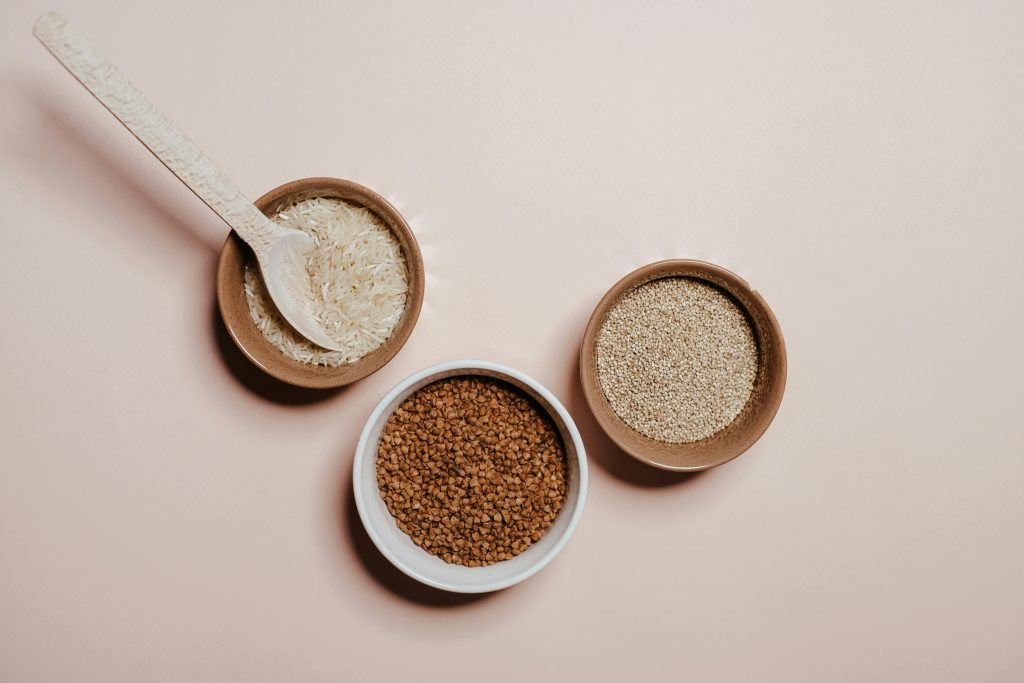
- Quinoa: Technically a seed, quinoa is rich in protein, fiber, and essential amino acids. It’s also gluten-free and contains minerals like magnesium, phosphorus, and iron.
- Rice: A true cereal grain, rice comes in many varieties, including white, brown, basmati, and wild. Brown rice retains more nutrients than white rice, but overall, rice is lower in protein compared to quinoa.
These differences are key when considering weight management and sustained energy levels.
How Do Quinoa and Rice Affect Weight Management?

When it comes to losing or maintaining weight, the types of grains you eat can make a significant difference. It’s not just about calories—it’s also about how filling they are, how quickly they affect your blood sugar, and how they fit into your overall meal. Let’s break it down:
Calorie Count:
- On the surface, quinoa and rice have similar calorie content. A half-cup of cooked quinoa has roughly 120 calories, white rice about 115, and brown rice around 110.
- While this difference seems small, it’s the way your body responds that counts. Foods that leave you feeling full longer help prevent overeating and reduce overall calorie intake. Quinoa’s combination of protein and fiber contributes to this effect, making it more satiating per calorie than most rice varieties.
Protein and Satiety:
- Protein is one of the most important nutrients for managing hunger. A half-cup of cooked quinoa contains about 4 grams of protein, compared to 2–3 grams in rice.
- Higher protein intake slows digestion and triggers hormones that signal fullness, reducing the likelihood of snacking or overeating later.
- For example, a lunch with quinoa mixed with vegetables and a lean protein like chicken can keep you satisfied until your next meal, unlike a white rice dish that may leave you hungry sooner.
Fiber Content:
- Fiber is essential for weight management because it slows digestion, promotes a steady release of energy, and supports healthy gut function.
- Quinoa has 2.8 grams of fiber per half-cup cooked, while white rice has less than 1 gram, and brown rice about 1.8 grams.
- Including fiber-rich grains like quinoa helps you feel full longer, reduces cravings, and may even improve blood sugar control, which supports long-term weight goals.
Glycemic Index:
- The glycemic index (GI) measures how quickly a food raises blood sugar. Foods with a lower GI release glucose slowly, preventing spikes and crashes that can trigger hunger.
- Quinoa has a GI of around 53, making it a lower-GI choice than white rice (GI ~73) and brown rice (~68).
- Eating lower-GI foods like quinoa helps stabilize energy, reduce mid-day cravings, and support weight management over time.
How Does Quinoa Boost Energy Compared to Rice?
Feeling sluggish in the middle of the day often comes down to the types of carbohydrates you consume. Both rice and quinoa provide energy, but how they deliver it is very different.
Complex Carbs:
- Quinoa contains complex carbohydrates that break down slowly, providing a steady, sustained release of glucose into the bloodstream.
- This slow-release energy helps maintain alertness and focus without the sudden energy spikes and crashes often caused by high-GI foods like white rice.
- For instance, a quinoa-based lunch can keep you energized through afternoon tasks, whereas a white rice lunch may lead to drowsiness a few hours later.
Protein and Amino Acids:
- Quinoa is unique because it’s a complete protein—it contains all nine essential amino acids that your body cannot produce on its own.
- These amino acids are crucial for muscle repair and overall energy metabolism. Including quinoa in your meals helps maintain muscle mass, which indirectly supports a higher resting metabolic rate and sustained energy levels throughout the day.
- This makes quinoa especially beneficial for active individuals or anyone looking to maintain energy without frequent snacking.
Micronutrients for Energy:
- Quinoa is rich in iron and magnesium, two key minerals that directly influence energy production.
- Iron helps transport oxygen in your blood to muscles and organs, while magnesium is essential for converting food into usable energy at the cellular level.
- Including quinoa regularly in your diet ensures your body has the micronutrients it needs to keep energy levels stable and combat fatigue.
Can Rice Still Be Part of a Healthy Diet?
Absolutely. While quinoa has clear benefits, rice isn’t inherently bad. It all depends on your goals, portion sizes, and meal balance.
- Brown Rice Over White: Brown rice retains the bran and germ, which adds fiber, vitamins, and minerals. It’s a better choice for weight management than white rice.
- Portion Control: Regardless of whether you choose rice or quinoa, controlling portions is crucial. Overeating either can lead to weight gain.
- Balanced Meals: Pair rice with protein, healthy fats, and vegetables to make it more filling and reduce the likelihood of energy crashes.
How to Incorporate Quinoa Into Your Meals
Switching to quinoa doesn’t have to feel like a major diet overhaul. With a little creativity, you can add it to every meal of the day and enjoy its benefits for weight management and energy.
Breakfast:
Start your day with a filling and nutrient-dense quinoa breakfast.
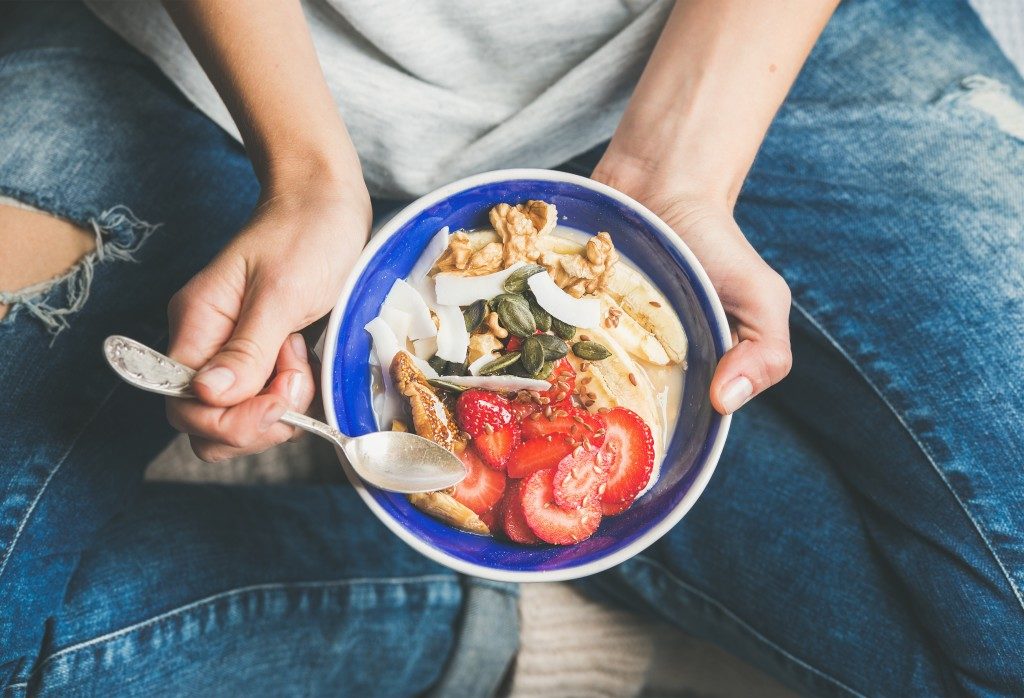
- Quinoa Porridge: Cook quinoa in almond milk or your preferred plant-based milk. Add a pinch of cinnamon or vanilla extract for flavor. Top with fresh fruits like berries or banana slices, and sprinkle with nuts or seeds for healthy fats and extra protein.
- Savory Option: Make a breakfast quinoa bowl with sautéed vegetables, a fried egg, and a dash of hot sauce or olive oil. This provides a savory, protein-packed start to your day.
Lunch:
Quinoa makes an excellent base for satisfying, nutrient-rich lunches.
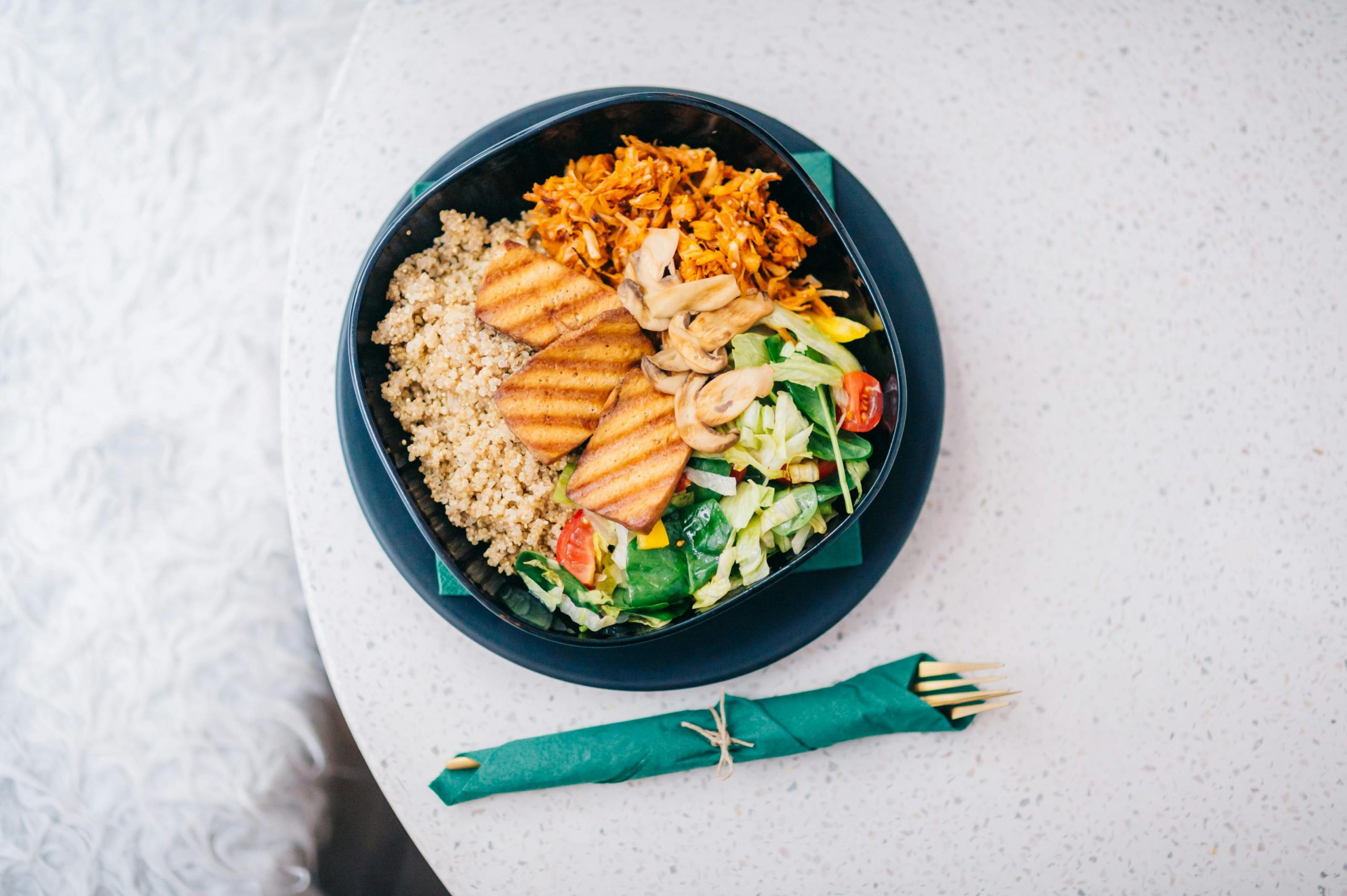
- Salads: Mix cooked quinoa with leafy greens, cherry tomatoes, cucumbers, and grilled chicken, tofu, or beans. Drizzle with a light vinaigrette for a meal that’s high in protein, fiber, and essential nutrients.
- Grain Bowls: Layer quinoa with roasted vegetables, avocado, and a protein source like salmon or chickpeas. Add a sprinkle of seeds for extra crunch and energy-sustaining nutrients.
Dinner:
Swap rice for quinoa in your dinner dishes for added nutrition and satiety.
- Stir-Fries: Use quinoa instead of rice for vegetable or chicken stir-fries. The slightly nutty flavor pairs well with soy sauce, garlic, and ginger.
- Side Dish: Serve cooked quinoa as a side to roasted meats or fish. Mix in herbs like parsley or cilantro for a fresh, aromatic boost.
- Casseroles and Grain Bowls: Replace rice with quinoa in your favorite casseroles or baked grain bowls. It adds protein and fiber without changing the dish dramatically.
Snacks:
Quinoa isn’t just for main meals—you can make snacks that boost energy.
- Energy Bars: Mix cooked quinoa with honey, nut butter, oats, and seeds. Press into a pan, refrigerate, and cut into bars for a convenient, protein-packed snack.
- Quinoa Bites: Combine cooked quinoa with dried fruits, a little coconut, and cinnamon. Roll into small balls for an easy, grab-and-go snack.
Tips for Cooking Quinoa Perfectly
Cooking quinoa is simple once you know a few tricks. Mastering these tips ensures it’s fluffy, flavorful, and enjoyable in every meal.
Rinse Before Cooking:
Quinoa has a natural coating called saponin, which can taste bitter if left on. Rinse quinoa thoroughly under cold water using a fine-mesh strainer before cooking. This step removes the coating and improves flavor.
Use the Right Water Ratio:
For perfectly cooked quinoa, use 2 cups of water for every 1 cup of quinoa. Bring the water to a boil, then reduce to a simmer and cook for 15 minutes, or until the grains are tender and the water is absorbed. For extra flavor, cook quinoa in vegetable or chicken broth instead of water.
Fluff with a Fork:
After cooking, let quinoa sit covered for 5 minutes. Then use a fork to gently fluff the grains. This separates them and prevents a sticky, clumpy texture. Fluffing also helps release the nutty aroma, enhancing the taste.
Optional Flavor Boosts:
- Toast the dry quinoa in a pan for 2–3 minutes before cooking to bring out a nutty flavor.
- Add herbs or spices to the cooking water, like bay leaf, garlic, or turmeric, to infuse extra flavor.
- Stir in a splash of lemon juice or a drizzle of olive oil after cooking for a bright, fresh taste.
Comparing Nutritional Profiles Side by Side
Here’s a quick comparison for a half-cup cooked portion:
| Nutrient | Quinoa | White Rice | Brown Rice |
| Calories | 120 | 115 | 110 |
| Protein (g) | 4 | 2 | 2.5 |
| Fiber (g) | 2.8 | 0.6 | 1.8 |
| Glycemic Index | 53 | 73 | 68 |
| Iron (mg) | 1.4 | 0.2 | 0.8 |
| Magnesium (mg) | 64 | 8 | 42 |
Clearly, quinoa provides more protein, fiber, and essential minerals, making it a strong candidate for energy and weight management.
Are There Any Disadvantages to Quinoa?
While quinoa has many benefits, it’s not perfect for everyone:
- Cost: Quinoa can be more expensive than rice.
- Digestive Sensitivity: Some people may find quinoa harder to digest due to its saponins and higher fiber content.
- Availability: Depending on where you live, rice may be more accessible.
Can You Mix Quinoa and Rice for the Best of Both Worlds?
Yes! Mixing quinoa and rice is a clever way to enjoy the unique benefits of both grains, while adding variety to your meals. Here’s how to make it work:
Half Quinoa, Half Brown Rice:
- Combining equal parts quinoa and brown rice increases your meal’s protein and fiber content without dramatically changing the taste or texture.
- This is ideal if you’re used to rice but want to incorporate more nutrients. The combination provides a slightly nuttier flavor and a pleasantly chewy texture.
- Try using this blend in pilafs, casseroles, or as a side dish for meats and vegetables.
Grain Bowls:
- Layering quinoa and rice in bowls allows you to build nutrient-packed meals. Start with your grain base, then add roasted or steamed vegetables, beans or lentils, and a protein source like chicken, tofu, or fish.
- Drizzle with a simple vinaigrette or tahini dressing. This mix helps you feel full longer thanks to the combination of fiber from both grains and protein from your toppings.
- It’s also great for meal prep—cook a big batch of mixed grains at the start of the week for quick, versatile meals.
Flavor Variations:
- Add fresh herbs, spices, or citrus zest to your grain mix. For example, parsley, cilantro, or a squeeze of lemon brightens the flavor.
- Stir in a small amount of olive oil or toasted nuts for added healthy fats, which further support satiety and energy.
Quick Meal Ideas to Boost Weight Management and Energy
Here are some practical meal ideas using quinoa or quinoa-rice mixes that are filling, nutritious, and perfect for maintaining energy throughout the day:
Quinoa Veggie Bowl:
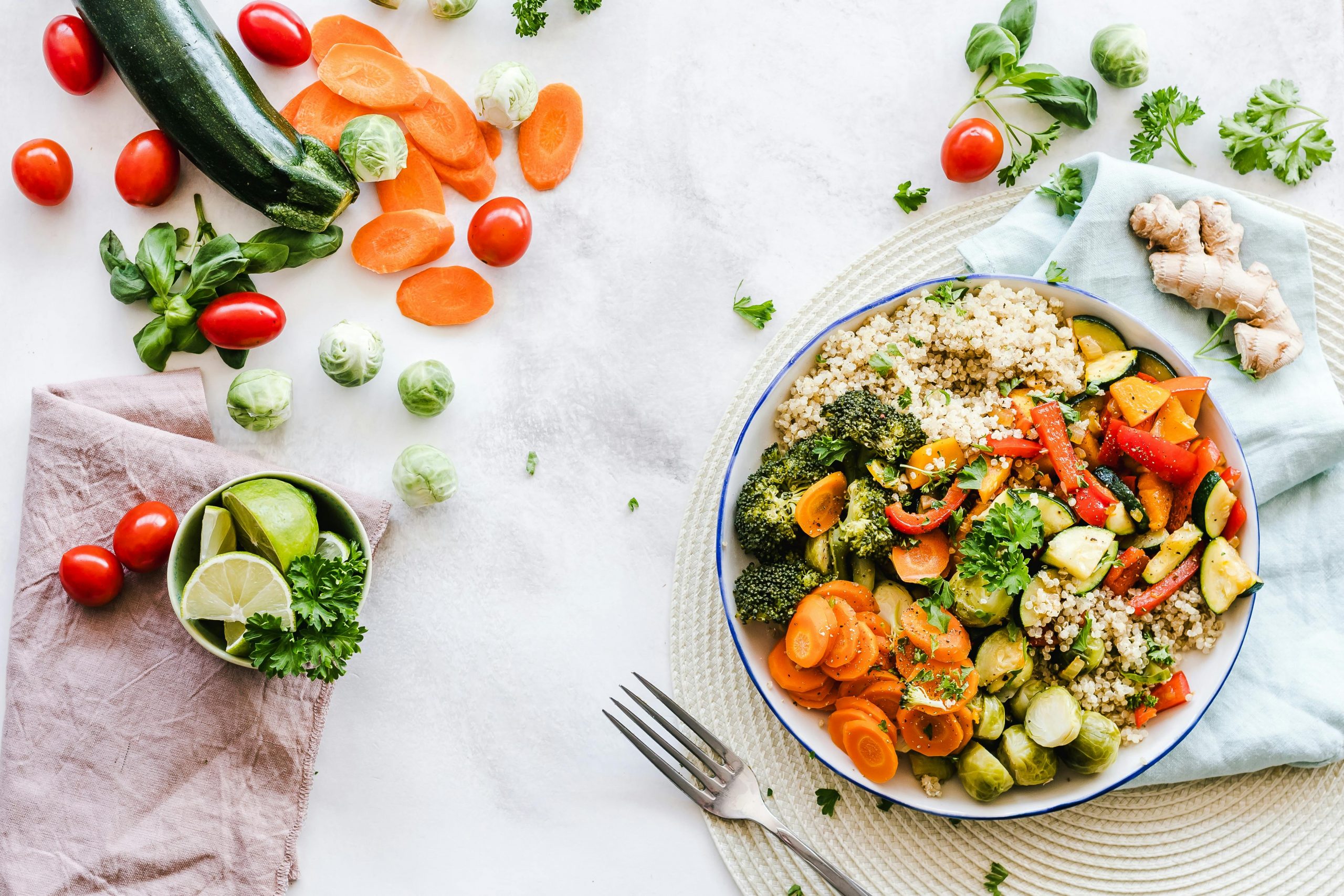
- Combine cooked quinoa with roasted seasonal vegetables, chickpeas or black beans, and a lemon-tahini dressing.
- Sprinkle with seeds like pumpkin or sunflower for extra protein and crunch. This bowl is high in fiber, protein, and healthy fats to keep you full and energized.
Breakfast Quinoa Porridge:
- Cook quinoa in almond milk or another milk alternative. Add cinnamon, fresh or frozen berries, and a handful of nuts.
- For extra flavor and energy, drizzle a bit of honey or maple syrup and top with chia or flax seeds. A warm, nutrient-rich breakfast like this can sustain energy for hours.
Quinoa Stir-Fry:
- Sauté cooked quinoa with a mix of colorful vegetables, tofu, chicken, or shrimp.
- Season with low-sodium soy sauce, garlic, ginger, and sesame oil.
- This quick, high-protein meal combines complex carbs, fiber, and protein for sustained energy.
Quinoa and Brown Rice Salad:
- Mix equal parts quinoa and brown rice with fresh spinach or arugula, avocado slices, and grilled salmon or chickpeas.
- Add a light vinaigrette and sprinkle with nuts or seeds. This dish is perfect for lunch or dinner, offering a balance of protein, fiber, and healthy fats.
How to Make the Switch Without Feeling Deprived
Transitioning from rice to quinoa doesn’t have to feel restrictive. These strategies help make the change easy and enjoyable:
- Start Gradually: Replace rice in one meal per day with quinoa. This allows your taste buds and digestion to adjust slowly.
- Experiment with Seasoning and Cooking Methods: Use spices, herbs, and different cooking liquids like broth to enhance quinoa’s flavor. Toasting quinoa before cooking adds a nutty aroma.
- Pair with Protein and Healthy Fats: Adding eggs, lean meats, tofu, or avocado helps you feel fuller longer. The combination of complex carbs, protein, and fats supports steady energy and reduces cravings.
- Mix With Rice: If you’re not ready for a full swap, try blending quinoa with brown rice to gradually increase your nutrient intake while keeping familiar flavors.
Is Quinoa Better Than Rice for Long-Term Health?
Quinoa isn’t just about weight management and energy—it also offers long-term health benefits that rice can’t always match:
- Supports Heart Health: Quinoa’s fiber, magnesium, and healthy fats help maintain cholesterol levels and reduce the risk of heart disease.
- Helps Maintain Stable Blood Sugar Levels: Thanks to its lower glycemic index, quinoa slows glucose absorption and prevents blood sugar spikes, supporting long-term metabolic health.
- Provides Antioxidants: Quinoa contains flavonoids like quercetin and kaempferol, which fight inflammation and oxidative stress, promoting overall wellness.
Rice can still fit into a healthy diet, especially brown rice, which retains more nutrients than white rice. However, white rice lacks many of these benefits, so incorporating quinoa or a mix of quinoa and rice is generally a better strategy for long-term health.
So, Is Quinoa Better Than Rice?
For weight management and sustained energy, quinoa is generally the better choice. Quinoa’s higher protein, fiber, lower glycemic index, and nutrient density make it a strong choice for anyone looking to manage their weight and maintain steady energy levels. That said, rice isn’t off-limits. Choosing whole-grain rice like brown or wild rice, controlling portions, and pairing with other nutrient-dense foods can still fit into a healthy diet.
The key takeaway: focus on variety, balance, and portion control. Incorporating quinoa into your meals is an easy and effective way to give your body the nutrients it needs while supporting your weight and energy goals.